

Why Cavities and Teeth Whitening Are A Dangerous Combination
October 19, 2026
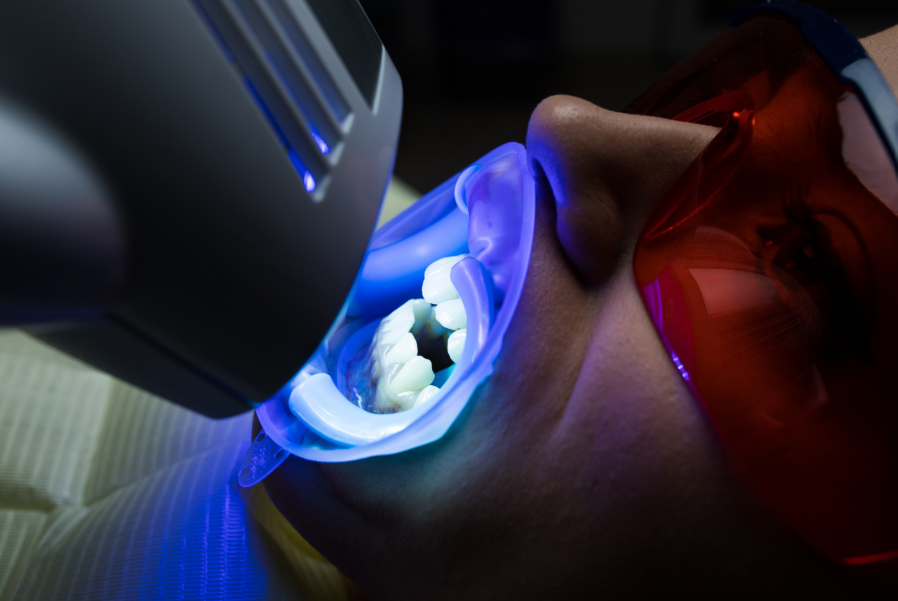
A brighter smile can be a great confidence booster, whether you’re preparing for a special occasion or simply want to feel better about your appearance. With so many whitening strips, gels, and professional treatments available, achieving a whiter smile may seem easier than ever. However, there’s one important thing to consider before getting started: Are your teeth healthy enough for whitening?
If you have untreated cavities, using teeth whitening products could lead to unnecessary discomfort and potentially worsen existing dental problems. Here’s why it’s important to address tooth decay before pursuing a brighter smile.
Why Whitening Can Be Risky for Teeth With Cavities
Most teeth whitening products use bleaching ingredients, such as hydrogen peroxide or carbamide peroxide, to break down stains and lighten the color of your teeth. When used correctly on healthy teeth, these products can be an effective way to improve your smile’s appearance. However, cavities change the equation.
A cavity develops when tooth decay damages the enamel and, potentially, the softer layers beneath it. As this protective barrier breaks down, the tooth becomes more vulnerable to outside substances. Whitening ingredients may reach sensitive inner areas through the damaged portion of the tooth, triggering irritation and discomfort.
Even if you haven’t noticed any pain, a cavity may still be present. Applying whitening products without realizing you have tooth decay can cause unexpected sensitivity or sharp discomfort during or after treatment.
Whitening products also don’t treat cavities. They cannot repair damaged tooth structure, stop decay, or prevent a small cavity from becoming a bigger problem.
What Happens If You Whiten Decayed Teeth?
Using whitening products on teeth with untreated decay can create several concerns.
First, you may experience increased tooth sensitivity. Bleaching ingredients can irritate already vulnerable areas, making it uncomfortable to eat or drink hot, cold, or sweet foods and beverages.
Second, existing decay may continue to progress while you’re focused on cosmetic improvements. If a cavity grows deeper, it could eventually cause significant pain or infection and require more extensive treatment.
Finally, whitening may produce uneven results. Decayed areas, damaged enamel, and existing dental restorations can respond differently to whitening treatments. This means you might not achieve the uniform shade you hoped for, even after completing the process.
The safest approach is to have your teeth evaluated before using whitening products, particularly if you have sensitivity, visible holes, dark spots, or other signs of possible decay.
How Your Dentist Can Help You Whiten Safely
Before beginning any whitening treatment, schedule a dental examination. Your dentist can check for cavities, gum problems, enamel damage, and other concerns that could affect your results.
If tooth decay is present, your dentist will recommend appropriate treatment before whitening. Depending on the extent of the damage, this might involve a filling or another restorative procedure. Treating cavities first helps protect your teeth and creates a healthier foundation for cosmetic care.
Once your teeth and gums are healthy, your dentist can discuss suitable whitening options, explain what results you can realistically expect, and recommend an approach that fits your needs. Professional guidance can also help minimize sensitivity and reduce the risk of using products incorrectly.
For anyone considering whitening, a dental consultation is especially valuable if you have existing restorations, sensitive teeth, or a history of cavities.
Brighten Your Smile With Healthy Teeth
A beautiful smile starts with a healthy foundation. Addressing cavities before whitening can help you avoid unnecessary discomfort and enjoy more predictable results.
About the Practice
Dr. Marianna Gaitsgory of Framingham Premier Dental earned her Doctor of Dental Medicine degree from Boston University’s Goldman School of Dental Medicine. With extensive experience in preventive, restorative, and cosmetic dentistry, she prioritizes patient comfort, continuing education, and advanced dental technology. Dr. Gaitsgory takes time to listen to patients, explain diagnoses, and discuss treatment options to help them maintain healthy, beautiful smiles.
Call us at 508-875-0900 or schedule your appointment online
No Comments
No comments yet.
RSS feed for comments on this post.
Sorry, the comment form is closed at this time.
